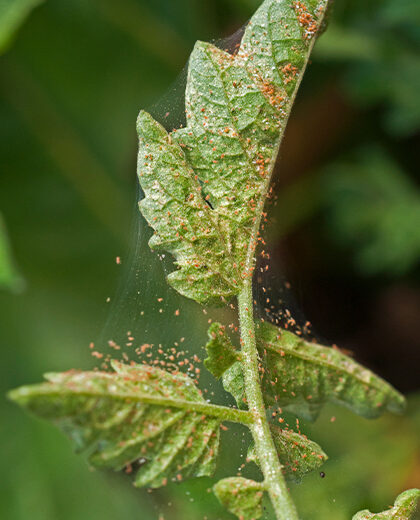
Spider mites control is a critical challenge for farmers during hot, dry spells. These tiny, eight-legged arachnids live in colonies on the undersides of leaves, where they suck plant sap and cause rapid dehydration. Because they reproduce every 5 to 7 days in warm weather, a small infestation can explode into a field-wide crisis in less than a week.
Target Crops & Damage Symptoms
To achieve effective spider mites control, you must identify the “hidden” signs of an attack:
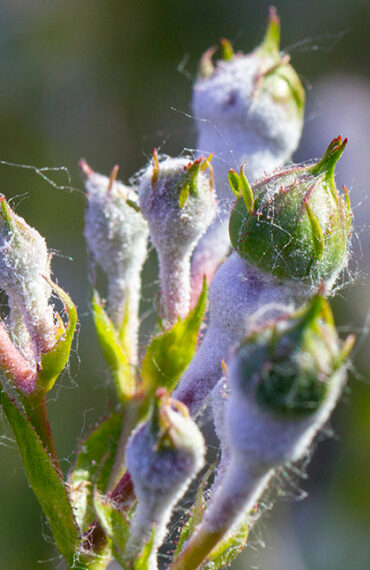
Roses & Ornamentals: Leaves develop tiny yellow or white “stippling” (dots) on the upper surface. In severe cases, fine silk webbing covers the buds and leaves, causing them to turn bronze and drop.
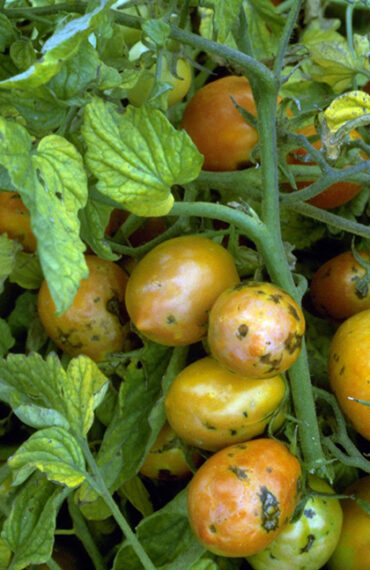
Tomatoes: Look for yellow mottling and “speckling” on the leaves. Under high pressure, the plant’s growth is stunted, and fruits may suffer from sunscald due to leaf loss.
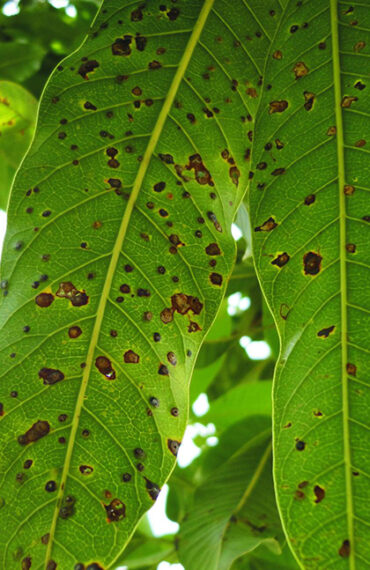
French Beans: Infested leaves turn yellow, then brown and “crusty” on the underside. Feeding early in the vegetative stage can drastically reduce your final pod yield.

Prevention and Spider Mites Control
Cultural practices are vital to prevent mites from becoming resistant to chemicals:
Manage Dust: Spider mites love dusty conditions. Keep farm paths damp and use mulching to reduce dust levels, which discourages mite colonization.
Overhead Irrigation: Occasionally using a strong jet of water on the undersides of leaves can physically knock off mites and destroy their protective webs.
Avoid Excess Nitrogen: High levels of nitrogen fertilizer encourage rapid mite reproduction. Stick to a balanced feeding program using Kenagro Faida fertilizers.
Kenagro Recommended Solutions
For professional spider mites control, Kenagro Suppliers Ltd recommends rotating these products to target all life stages (eggs, nymphs, and adults):
Spidor Max 300SC: Use 10ml per 20L of water. This is our premier “Ninja” miticide (Spirodiclofen + Abamectin). It disrupts the mite’s metabolism and provides a powerful systemic knockdown.
Bentil 23EC: Mix 10ml per 20L of water. Featuring translaminar movement, it penetrates the leaf to kill mites feeding on the underside. It is excellent for roses and beans.
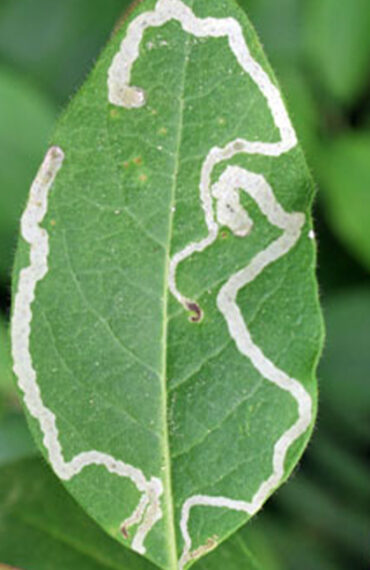
K-Mec 18EC: Apply 10ml per 20L of water. A reliable, cost-effective miticide (Abamectin) that is perfect for early-stage infestations and leaf miner control.
Azumo 80WG: Use 40g to 60g per 20L of water. This sulphur-based formula acts as both a fungicide and a miticide, making it a great “two-in-one” for powdery mildew and mites on roses.
Golden Leaf: Mix 2ml per 20L of water. This specialized adjuvant improves the “spread” of your spray, ensuring the chemicals penetrate the protective silk webs and waxy leaf surfaces.
Crop Clinic

Aphids Control
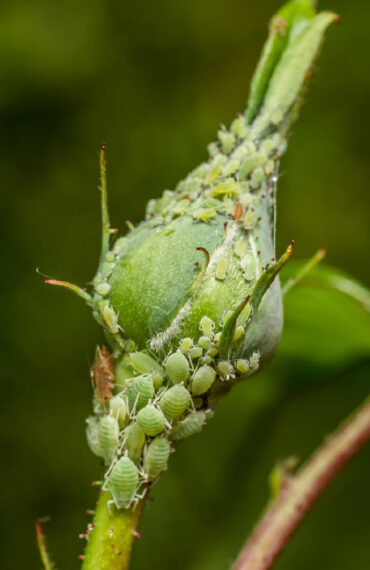
Target Crops: Legumes, Peppers, Spinach, Tomato, Cucurbits, Carrot, Lettuce, Flowers & Maize.