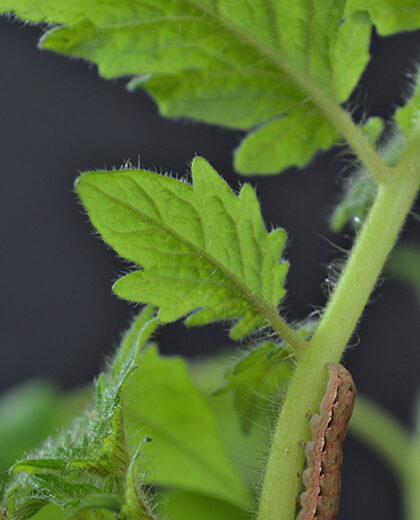
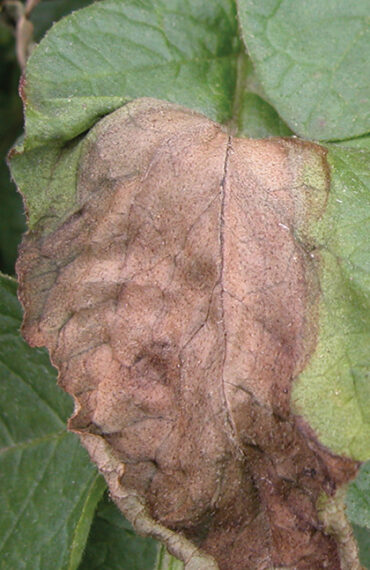
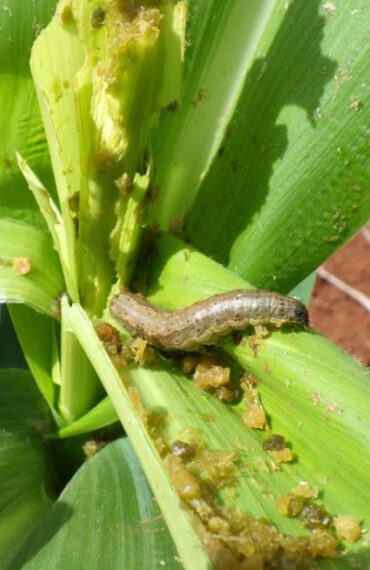
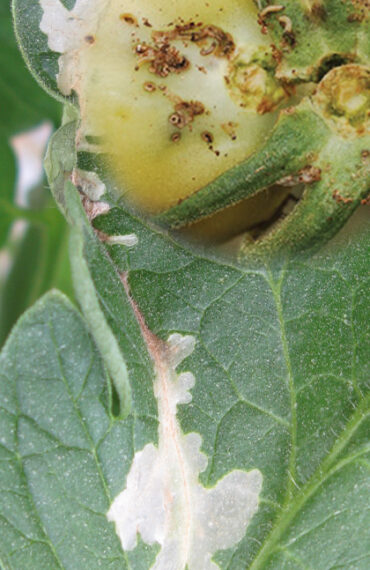
Farmers in Kenya face a constant battle against destructive larvae. Whether you are dealing with Diamondback Moth (DBM) in kales or African Bollworm in tomatoes, effective caterpillar control is the only way to save your harvest. These pests eat leaf tissue and bore into fruits, often causing 100% crop loss if you do not act quickly.
Identify the Damage Early
Successful caterpillar control begins with scouting. Look for these specific signs in your field:
Window Panes: DBM larvae eat the lower leaf surface but leave the top “skin” intact.
Bored Holes: African Bollworms leave clean, round holes in tomato fruits and rose buds.
Skeletonized Leaves: Large infestations can strip a cabbage plant down to its veins.
Silk Webbing: Some caterpillars, like the Beet Armyworm, spin webs to protect themselves while feeding.

Target Crops & Damage Symptoms
To achieve effective caterpillar control, you must identify these common pests early:
Cabbage & Kales (Sukuma Wiki): Look for Diamondback Moth (DBM) larvae—small, green caterpillars that wiggle backwards when touched. They create “window panes” in leaves or skeletonize them completely.
Tomatoes: African Bollworms bore clean, circular holes into the fruit. Once inside, they rot the tomato from within, making it completely unsellable.
Roses & Flowers: Caterpillars chew on young shoots and buds, preventing flowers from opening or leaving unsightly holes in the petals.
Broccoli & Cauliflower: Caterpillars often hide deep within the heads, contaminating the produce with frass (droppings) and destroying the growing points.
Prevention and Caterpillar Control
Stopping the moths before they lay eggs is the best way to keep populations low:
Scouting: Check your crops twice a week. Look for tiny yellow/white eggs on the undersides of leaves and small holes in the new growth.
Pheromone Traps: Use traps to monitor adult moth activity. A sudden increase in moths means a caterpillar “explosion” is coming in 7 to 10 days.
Intercropping: Planting strong-smelling crops like onions or garlic between your cabbages can sometimes confuse moths and reduce egg-laying.
Kenagro Recommended Solutions
For professional caterpillar control, Kenagro Suppliers Ltd provides a range of biological and high-performance chemical solutions:
Emmaron 30SC: Use 15ml per 20L of water. This is our “Caterpillar Specialist.” It contains Lufenuron (an insect growth regulator) and Emamectin Benzoate. It stops the caterpillar from molting and causes immediate paralysis.
Bentil 23EC: Mix 20ml to 25ml per 20L of water. This powerful insecticide (Emamectin Benzoate) features translaminar movement, meaning it penetrates the leaf to kill caterpillars hiding on the underside.
T-KAB 300WG: Apply 5g to 10g per 20L of water. Our top recommendation for African Bollworm and Tuta Absoluta. It provides a fast knockdown and stops caterpillars from feeding within minutes.
Biokil WP: Use 20g per 20L of water. A biological solution (Bacillus thuringiensis) that is safe for the environment and perfect for farmers targeting export markets with strict chemical residue limits.
Alfatox 100EC: Apply 10ml to 15ml per 20L of water. A rapid contact insecticide used to clear adult moth swarms before they can lay more eggs.
Caterpillar Control FAQ
Q: What is the best Kenagro product for Diamondback Moth (DBM)?
A: Emmaron 30SC is highly effective because it targets the larvae at different life stages and prevents them from growing into adults.
Q: Why are caterpillars still eating my tomatoes after I spray?
A: Bollworms often hide inside the tomato fruit where contact sprays cannot reach them. For effective caterpillar control, use T-KAB 300WG or Bentil 23EC, which have the power to penetrate plant tissues.
Q: When is the best time to spray for caterpillars?
A: Spray in the early morning or late evening when caterpillars are most active and feeding. Always add Golden Leaf (a spreader) to your mixture to ensure the chemical sticks to the leaves and reaches hidden pests.
Crop Clinic

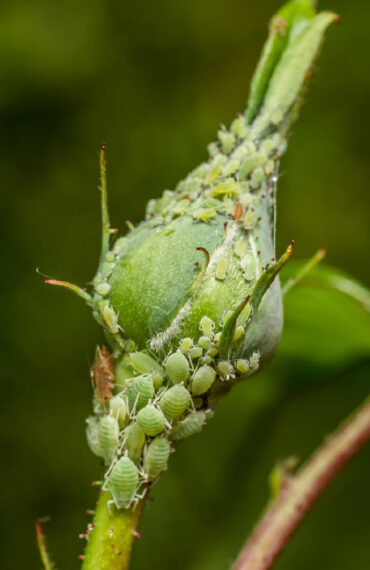
Aphids Control
Target Crops: Legumes, Peppers, Spinach, Tomato, Cucurbits, Carrot, Lettuce, Flowers & Maize.
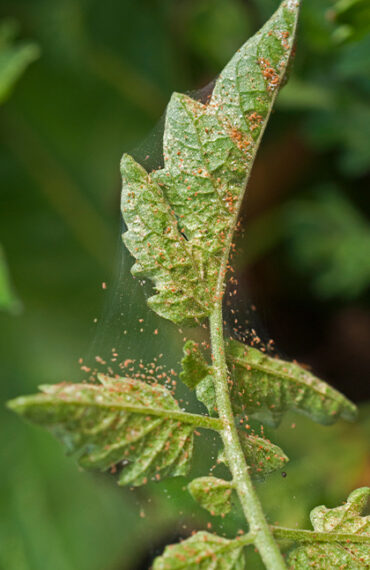
Spider Mites
Target Crops: Flowers, Beans, Cucumbers, Peppers, Tomatoes, Potatoes, Maize & Strawberries.