
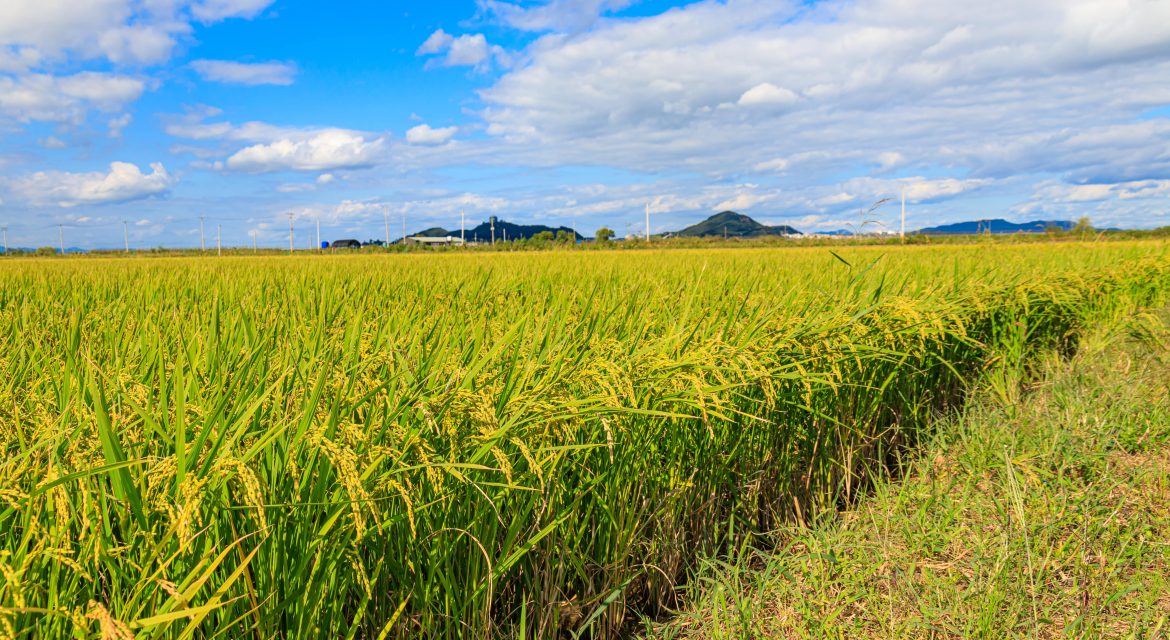
Rice farming in Kenya is a growing sector that contributes significantly to food security and income generation. With increasing demand for rice across the country, especially in urban areas, both smallholder and commercial farmers can benefit from improved rice production practices. This guide provides key insights into rice farming in Kenya for optimal yields and market success.
1. Crop Selection and Planning
Choosing the right rice variety and planting strategy is crucial for a successful harvest.
Popular Rice Varieties in Kenya:
- IR 2793-80-1 – Upland rice, early maturing, drought-tolerant
- NERICA 1 & 4 – High-yielding, disease-resistant
- Pishori (Basmati 370) – Aromatic rice, preferred in local markets, grown in irrigated fields
- BW 196 & BW 394 – Common in Mwea, ideal for irrigation schemes
Planting Schedule:
- Irrigated rice: January–March and August–October
- Rain-fed rice: March–April (with long rains)
Plan based on water availability, land size, and market access
2. Soil and Climate Requirements
Rice thrives in warm, humid conditions and requires consistent water availability.
Ideal Conditions:
- Soil: Clayey to loamy soils with high water retention
- Soil pH: 5.5–6.5
- Temperature: 20°C–35°C
- Rainfall: 1000–2000 mm annually or reliable irrigation
Suitable Regions in Kenya:
- Mwea Irrigation Scheme (Kirinyaga)
- Ahero, West Kano (Kisumu County)
- Bunyala (Busia)
- Tana River Delta
- Taita Taveta, Kwale (rain-fed upland rice)
3. Land Preparation and Planting Techniques
Proper land preparation promotes better water management, weed control, and crop establishment.
Land Preparation Steps:
- Clear and plough the field
- Level the field for uniform water distribution
- Apply well-rotted manure or compost
Planting Guidelines:
- Direct seeding: 25–30 kg per acre
- Transplanting: Nursery-grown seedlings, 21–30 days old
- Spacing: 20 x 20 cm or 30 x 20 cm
Depth: 2–3 cm for seedlings
4. Crop Management (Water, Fertilizer, Weeding)
Irrigation:
- Maintain 3–5 cm of standing water
- Drain water 2–3 weeks before harvest
Fertilization:
- DAP fertilizer at planting
- Urea or CAN during tillering and panicle initiation
- Use soil tests for precise nutrient management
Weed Control:
- Manual weeding at 2–3 and 5–6 weeks
- Use of herbicides if necessary and approved
5. Pest and Disease Control
Common Pests:
- Rice stem borers
- Leafhoppers, planthoppers
- Rice weevils (post-harvest)
Common Diseases:
- Rice blast
- Bacterial leaf blight
- Sheath rot
Management Practices:
- Use certified seeds
- Crop rotation and field sanitation
- Follow proper pesticide application guidelines
Seek help from extension officers
6. Harvesting and Post-Harvest Handling
Rice is ready when 80–90% of the grains are golden brown.
Harvesting Tips:
- Use manual or mechanical harvesters
- Thresh and dry properly to 12–14% moisture
Storage:
- Use hermetic bags or airtight containers
- Treat with natural grain protectants
- Store in a cool, dry place
7. Marketing and Value Addition
There’s rising demand for locally grown rice in Kenya, especially aromatic varieties like Pishori.
Marketing Channels:
- Local markets, supermarkets, and traders
- Farmer cooperatives, processors
- Export opportunities (East Africa, aromatic niche markets)
Value Addition:
- Rice milling
- Consumer packaging
- Rice flour or snacks
- Parboiled rice or pre-cooked rice
8. Farm Business and Record Keeping
Best Practices:
- Record input costs, labour, yields, sales
- Join SACCOs or farmer groups
Use agri-tech tools for farm planning and weather updates
Unlocking the Potential of Rice Farming in Kenya
With rising demand, favorable climates, and modern techniques, rice farming in Kenya can be a highly profitable venture. By adopting improved varieties, practicing good irrigation and crop management, and exploring value-added markets, both smallholder and commercial farmers can thrive.
Lenya Wycliffe Ochieng
Good notes
Just need a pdf ofit
Tobias Kalae
Good report,