
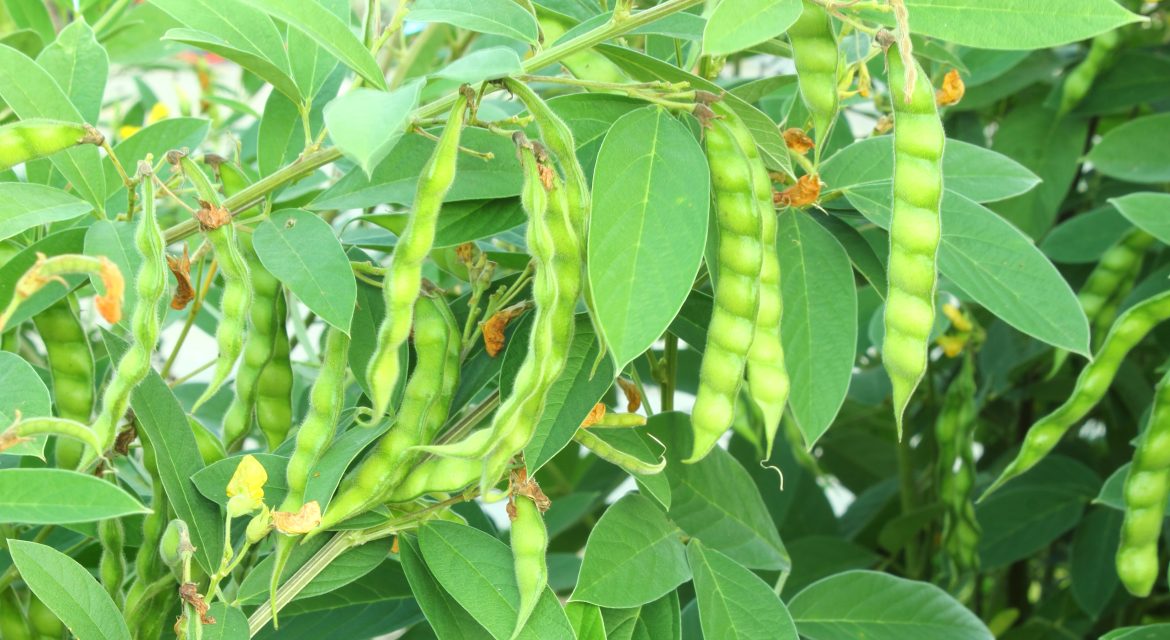
Pigeon peas farming in Kenya is becoming increasingly popular because of the crop’s resilience, nutritional value, and market potential. Locally known as mbaazi, pigeon peas are a protein-rich legume that supports food security, particularly in arid and semi-arid areas.
When managed properly, pigeon peas cultivation in Kenya can provide significant income for both smallholder and commercial farmers. This guide highlights the essential steps, best practices, and techniques for achieving high yields and profitability.
1. Choosing the Right Pigeon Pea Variety in Kenya
Selecting the right pigeon pea variety is crucial for success in pigeon peas farming in Kenya. First, match varieties to your local climate, soil type, and rainfall patterns. Next, choose certified seeds to ensure disease resistance, high germination rates, and uniform growth. This helps maximize yields and improves marketability.
Popular Varieties in Kenya:
- ICEAP 00557 – Early maturing, resistant to Fusarium wilt
- ICEAP 00040 – Medium maturing, high-yielding
- Local Mbaazi varieties – Well-adapted to dry regions but lower-yielding
Planting Schedule:
- Best planted before the onset of rains: March–April (long rains) or October–November (short rains)
- Early maturing varieties allow for intercropping with maize or sorghum
Plan based on available land, market demand, and rainfall forecasts.
2. Soil and Climate Requirements for Pigeon Peas Farming in Kenya
Pigeon peas farming in Kenya performs best in warm climates and can tolerate drought, making the crop ideal for ASAL (Arid and Semi-Arid Lands) regions. Key growing areas include Makueni, Kitui, Machakos, Tharaka Nithi, and parts of Baringo. In addition, well-drained soils rich in organic matter support strong growth and higher yields.
Ideal Conditions:
- Soil: Well-drained sandy loam or loamy soils
- Soil pH: 5.0–7.0
- Temperature: 18°C–30°C
- Rainfall: 600–1000 mm annually
Avoid planting in waterlogged areas to prevent root rot.
3. Land Preparation and Planting Techniques
Proper land preparation is essential for good seed-soil contact and reducing weed competition.
Steps:
- First, clear and plough the land 2–3 weeks before planting.
- Next, apply compost or well-rotted manure to improve soil fertility.
- Also, avoid excessive tillage in dry areas to retain soil moisture.
Planting Guidelines:
- Spacing: 75 cm between rows and 30–50 cm between plants.
- Planting depth: 3–5 cm.
- Seed rate: 8–12 kg per acre, depending on spacing.
- Timing: Plant just before the rains for better germination.
Plant just before the rains for better germination.
4. Crop Management (Irrigation, Fertilization, Weeding)
Irrigation
First, note that pigeon peas are drought-tolerant and can usually grow under rain-fed conditions. However, supplemental irrigation during flowering can improve yields in dry areas.
Feeding the Crop:
Next, apply DAP or compost at planting. Since pigeon peas are legumes and fix their own nitrogen, avoid excess nitrogen fertilizers. In addition, conduct soil tests to guide phosphorus or potassium application if needed.
Weeding:
Finally, weed thoroughly during the first 6–8 weeks. Use manual or shallow mechanical weeding to protect the roots. Furthermore, intercropping can help suppress weeds naturally and improve soil cover.
5. Pest and Disease Control
Common Pests in Pigeon Peas Farming in Kenya
Pigeon peas in Kenya are often attacked by pod borers, aphids, white grubs, and leaf-eating caterpillars. To reduce damage, inspect fields regularly and remove affected pods or plants.
- Pod borers
- Aphids
- White grubs
- Leaf-eating caterpillars
Common Diseases in Pigeon Peas Farming in Kenya
Pigeon peas can also be affected by fusarium wilt, leaf spot, and powdery mildew. Therefore, plant disease-resistant varieties and maintain good field hygiene to prevent the spread.
- Fusarium wilt
- Leaf spot
- Powdery mildew
Management Practices
In addition, practice crop rotation with cereals or non-legumes, apply approved biopesticides or fungicides when needed, and ensure proper plant spacing. Also, remove and destroy infected plant material to reduce disease pressure.
6. Harvesting and Post-Harvest Handling
Pigeon peas farming in Kenya matures in 4–6 months, depending on the variety. You can tell they are ready when pods turn brown and dry, and seeds rattle inside. Harvest by hand-picking pods or cutting plants for sun-drying. Next, thresh to separate seeds from pods, and clean and sort grains for market or storage.
Storage:
First, dry grains to 12–13% moisture. Then, store them in airtight bags or containers to prevent pest damage. In addition, treat grains with natural preservatives such as neem powder or safe grain protectants.
Marketing and Value Addition
Pigeon peas in Kenya have strong local demand and export potential, particularly to India, UAE, and Europe. Farmers can sell through local markets, millers, wholesalers, farmer cooperatives, or export contracts via agribusiness companies.
Value Addition Ideas:
- Milling into pigeon pea flour for local and international markets
- Pre-cooked and packaged peas for convenience
- Canning for longer shelf life
- Export processing including cleaning, grading, and packaging
7. Farm Business and Record Keeping
Approach pigeon pea farming in Kenya with a commercial mindset for sustainability.
Best Practices:
- Track input costs, labour, yields, and sales
- Analyse profits to guide future planting
- Use financial tools or SACCOs to access loans or insurance
- Get updates from extension officers and Agri-tech platforms
Unlocking the Potential of Pigeon Peas Farming in Kenya
With rising demand, drought tolerance, and soil improvement benefits, pigeon peas farming in Kenya is a valuable addition to any farming portfolio. Farmers who adopt improved varieties, timely planting, and good pest control can enjoy high yields and strong profits.
By integrating modern farming practices and market-focused strategies, pigeon peas can be a game-changer for smallholder and commercial farmers alike.
Kenfrey mutugi miriti
Can I plant in lower kirinyaga county, murinduko area
Makive
Yes, however very cold areas negatively affect the yield. Also avoid waterlogged areas
Henry Siamilandu
Very good article
Erastus Musango
Want practice this at Makueni